Lucky Handmade Font: Neat Display Type for Makers
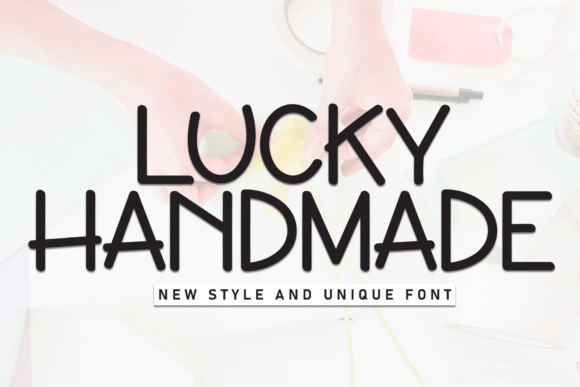
As a small business owner and crafter, finding the perfect typeface often feels like searching for a needle in a haystack. We need something that feels personal and artisanal but remains clean enough to read on a product label or a digital download. This is where Lucky Handmade truly shines as a versatile display font. It strikes that elusive balance between casual warmth and professional neatness, making it an invaluable asset for anyone creating physical products, stationery, or printable designs. Unlike overly distressed grunge fonts or illegible scripts, this typeface offers a friendly, approachable vibe with clean lines and balanced letterforms that translate beautifully from screen to substrate.
Elevating Product Packaging and Labels
When designing packaging for handmade goods, readability is just as important as aesthetics. Customers need to instantly recognize what they are buying, whether it is a soy candle, organic soap, or artisanal jam. Lucky Handmade excels in this commercial context because its subtle rounded edges soften the overall look without sacrificing clarity. The font’s structure is solid enough to hold ink well on textured paper or kraft labels, preventing the bleeding that can occur with thinner, more delicate handwritten fonts.
For product tags and stickers, this display font provides a modern typography feel that suggests quality and care. It works exceptionally well for short phrases, product names, and collection titles. Because the letterforms are balanced, you can use it at slightly larger sizes for headers without it feeling overwhelming or clunky. If you are creating boutique tags for clothing or accessories, the neatness of Lucky Handmade ensures your brand identity looks established and trustworthy, rather than amateurish. It captures the essence of "handmade" while maintaining the polish required for retail environments.
Versatility in Stationery and Invitation Design
Stationery designers know that the right font sets the emotional tone for an event. Lucky Handmade is particularly effective for wedding welcome boards, birthday invitations, and baby shower stationery where the goal is to feel welcoming and joyful. Its casual nature makes it less intimidating than formal serifs, yet it retains enough elegance to be appropriate for celebratory occasions. When designing printable wall art or greeting cards, this font acts as a perfect anchor for decorative elements.
Consider using it for the main title on a wedding seating chart or the "Happy Birthday" header on a customizable invitation template. The subtle rounding on the terminals adds a softness that pairs beautifully with watercolor illustrations or botanical line art. For creators selling digital downloads or editable templates on platforms like Etsy or Creative Market, offering a font that is both stylish and legible increases the perceived value of your product. Buyers want assets they can actually use, and Lucky Handmade’s high readability factor makes it a safe, attractive choice for end-users customizing their own projects.
Practical Tips for Cutting Machines and Production
For those of us who rely on Cricut or Silhouette machines, not all display fonts are created equal. Intricate scripts with thin connecting lines can be a nightmare to weed, and blocky sans serif fonts can sometimes look too industrial for craft projects. Lucky Handmade sits in a sweet spot for vinyl and paper cutting. The clean lines and consistent stroke width mean that letters cut cleanly and weed easily, even at smaller sizes.
When creating car decals, mug designs, or tote bags, test the font at your intended size before committing to a full production run. While the letterforms are robust, always ensure there is enough spacing between characters to prevent vinyl bridging. For printed items like shirts or mugs, the font’s balanced proportions ensure it remains legible from a distance. This practical reliability saves time and materials, which directly impacts your profit margins and production efficiency. It is a creative font that respects the limitations and requirements of physical manufacturing.
Strategic Font Pairing for Brand Consistency
A single font rarely does all the heavy lifting in a design project. To maximize the impact of Lucky Handmade, consider how it interacts with other typefaces in your brand kit. Because it is a neat display font with a casual personality, it pairs effortlessly with a variety of secondary fonts:
- With Script Fonts: Use Lucky Handmade for the informative text (like dates, locations, or product descriptions) and pair it with an expressive script font for accents or signatures. The neatness of the display font grounds the flourishes of the script, ensuring the design remains readable.
- With Sans Serif Fonts: For a modern, minimalist aesthetic, combine Lucky Handmade headlines with a simple geometric sans serif body text. This creates a clean hierarchy that works well for web design, social media graphics, and instructional printables.
- With Serif Fonts: For a more traditional or farmhouse look, pair it with a classic serif font. The contrast between the rounded, casual display type and the structured serif evokes a sense of heritage and craftsmanship, ideal for vintage-style signs or heirloom product branding.
Experimenting with these combinations allows you to stretch the utility of this single premium font across multiple product lines while maintaining a cohesive visual identity.
Checking Technical Details and Alternates
Before incorporating any new typeface into your workflow, always review the specific features included in the file. For a font like Lucky Handmade, check for multilingual support if you create products for international markets or bilingual packaging. Additionally, look for alternate characters or ligatures that might add extra customization options to your designs. These small details can transform a standard layout into something unique and proprietary to your shop.
Verify the file formats provided as well. Having access to OTF, TTF, and WOFF files ensures you can use the font across different software, from Adobe Illustrator and Canva to specialized cutting machine software. Understanding the technical capabilities of your design assets prevents frustration during the creation process and ensures your final output matches your vision.
Navigating Commercial Licensing for Sellers
Perhaps the most critical aspect of using fonts for business is understanding licensing. As creators selling physical products, templates, or digital downloads, we must ensure we have the appropriate commercial license. A personal use license typically does not cover items sold for profit, including merchandise, client work, or editable templates.
Always read the End User License Agreement (EULA) associated with Lucky Handmade before listing products for sale. Some licenses may require an upgrade for specific uses, such as embedding fonts in apps or selling templates where the end-user needs access to the font file. Respecting intellectual property rights protects your business from legal issues and supports the type designers who create these essential tools. When you properly license a commercial font, you are investing in the sustainability of your own shop and the broader creative community. This peace of mind allows you to focus entirely on creating beautiful, marketable products that resonate with your customers.